
Vaginal Bacteria Linked to Ovarian Cancer
Did you know that the bacteria in your vagina could influence your risk of ovarian cancer? Recent research reveals surprising connections between the vaginal microbiome and this dangerous cancer.
The number of “friendly” bacteria in your vagina not only plays a vital role in preventing infections but might also protect you against ovarian cancer. By understanding these connections, we can take proactive steps in maintaining health and managing risks.
This article will explain the link between vaginal bacteria and ovarian cancer in detail, breaking down the science into simple, actionable insights.
We’ll discuss what the vaginal microbiome is, how it impacts ovarian cancer risk, what science tells us so far, and what steps you can take to keep your vaginal health in check.
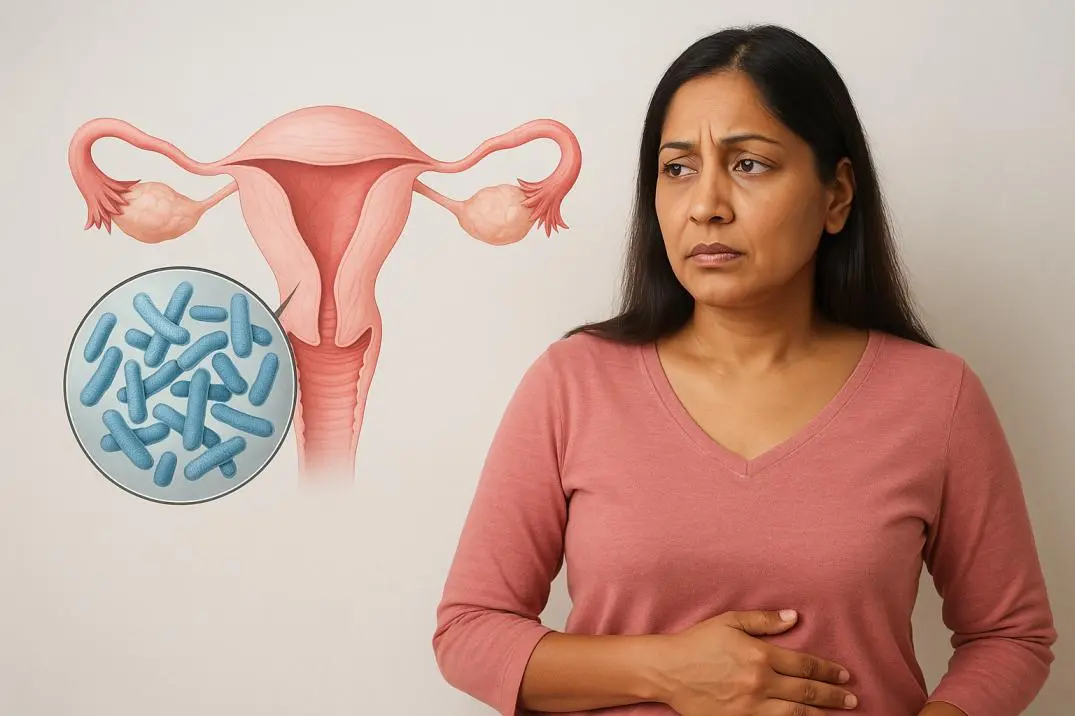
What Is the Vaginal Microbiome?
The vaginal microbiome is an ecosystem of bacteria, fungi, and viruses naturally found in the vagina. It works like your gut microbiome to maintain balance and health.
The key players in this balance are “lactobacilli,” also known as friendly bacteria. Lactobacilli release lactic acid, creating an acidic environment in the vagina that prevents harmful bacteria from growing.
For example, imagine a neighborhood where friendly neighbors keep the streets clean, safe, and welcoming. Now, picture what happens if these good neighbors move away, and the area is overrun by troublemakers.
The situation becomes chaotic, and problems arise. The same happens inside the vaginal microbiome when lactobacilli are outnumbered by harmful bacteria. This imbalance, called dysbiosis, can lead to infections and might even play a role in cancer development.
Why Is a Healthy Vaginal Microbiome Important?
Lactobacilli provide protection in several ways:
- They guard against infections by making the environment less suitable for bad bacteria.
- They maintain the vagina’s pH levels, which should stay between 3.8 and 4.5 (acidic) for optimal health.
- They help prevent infections like bacterial vaginosis and pelvic inflammatory disease, which can cause complications in the long run.
When lactobacilli levels drop, the doorway may open for chronic inflammation and harmful infections, creating conditions that encourage cancerous changes in cells.
The Link Between Vaginal Bacteria and Ovarian Cancer
Studies suggest that women with ovarian cancer or those with a higher genetic risk (like carrying the BRCA1 mutation) have fewer friendly bacteria in their vagina compared to those without the condition.
This link is crucial because ovarian cancer often starts in the fallopian tubes, making infections in the vaginal region a potential contributor.
For instance, research led by the UCL Institute for Women’s Health found a striking reduction in lactobacilli among women with ovarian cancer or a high hereditary risk.
This imbalance might allow harmful bacteria to ascend from the vagina into the uterus and up to the fallopian tubes, fueling inflammation and, possibly, cancer.
What Are the Risk Factors?
Several risk factors may further increase a woman’s chances of developing ovarian cancer. These include:
- BRCA Gene Mutations: Women with the BRCA1 mutation have a 40-times greater risk of ovarian cancer. Many also show significant reductions in vaginal lactobacilli.
- Pelvic infections like chlamydia or pelvic inflammatory disease that may create long-term inflammation.
- Bacterial Vaginosis (BV), which occurs when bad bacteria outnumber good ones, could potentially contribute to conditions favorable for cancer.
- Age and prior gynecological issues, such as endometriosis, also compound the risk.
The direct link between vaginal bacteria and ovarian cancer is still under investigation, but addressing vaginal microbiome imbalance may offer an additional layer of protection for at-risk individuals.
Real-Life Insights on the Vaginal Microbiome
A patient named Meera*, 29 years old, came to Dr. Praveen Kammar’s clinic for routine consultations about her BRCA mutation.
Counseling revealed concerns about ovarian cancer and her plan to delay risk-reducing surgeries until after having children.
Dr. Kammar advised regular screenings and suggested focusing on maintaining a healthy vaginal microbiome, offering practical tips like avoiding unnecessary douching and exploring probiotic therapies.
Taking proactive measures gave Meera confidence and peace of mind during her cancer prevention health plan.
What Can You Do to Maintain a Healthy Vaginal Microbiome?
Taking care of your vaginal microbiome plays a bigger role in cancer prevention than you might expect. Here are critical steps that can safeguard your vaginal and overall health:
1. Stick to Probiotics
Probiotics, found naturally in foods like yogurt, or as supplements, can boost levels of friendly bacteria. Some vaginal probiotics like Lactobacillus crispatus are even being studied for their potential anti-cancer effects.
2. Avoid Vaginal Irritants
Perfumed washes, scented tampons, and douching disrupt your vagina’s natural balance. Simply rinsing with lukewarm water during showers is enough to maintain basic hygiene.
3. Use Condoms
Semen has a neutral pH, which can disrupt the vaginal acidity if not balanced by lactobacilli. Using condoms protects not just against infections but also maintains healthy vaginal pH levels.
4. Monitor Symptoms
Be vigilant about unusual discharge, strong odors, or any pelvic discomfort. Consult your gynecologist promptly for check-ups to detect early signs of imbalances or infections.
5. Annual Screenings
Schedule annual pelvic exams and, if necessary, opt for screenings like Pap smears. Women with high genetic risks should consider consulting a gynecologic oncologist, such as Dr. Kammar, for tailored prevention strategies.
6. Consider Early Research Solutions
Emerging treatments like probiotic vaginal therapies or microbiome transplants, aimed at replenishing lactobacilli, could revolutionize cancer prevention in the future. Speak to your doctor about clinical trials or new options you qualify for.
Looking Ahead – The Future of Research
Ongoing studies are attempting to map more about how bacteria in the vagina and overall reproductive tract influence gynecological cancers.
For now, an imbalance in the vaginal microbiome isn’t necessarily a cause but is strongly tied to higher risks.
Future interventions could combine preventive surgeries with microbiome-focused treatments, offering a less invasive and fertility-friendly option for high-risk women.
Empower Yourself with Knowledge and Personalized Care
Understanding the link between vaginal bacteria and ovarian cancer is a step toward taking charge of your health.
If you’re concerned about your risks, don’t hesitate to consult an expert. At Dr. Praveen Kammar’s clinic in Mumbai, we provide personalized, compassionate ovarian cancer care for women at all stages of their health.
Remember, early detection and prevention can save lives.
Book an appointment today and take the first step toward better health. A simple conversation could make all the difference.

About Author
Dr. Praveen Kammar
Surgical Oncologist
12+
Years Of Experience
Dr. Praveen Kammar is a Best Surgical Oncologist in Mumbai. His main area of expertise aslso includes GI oncology, Gynecological cancers, minimal access surgeries, Robotics surgery, Laparoscopic Surgery, HIPEC.
Dr. Praveen has done more than 6000+ surgeries in his expertise.
Related Blogs

Stage 1 Ovarian Cancer in India: A Complete Guide for Women’s Health
Discover Stage 1 ovarian cancer in Indian women: from symptoms to treatments.

Ovarian Cancer in Young Women: Causes, Risks, and Proactive Measures
Ovarian cancer in young women, exploring its causes, risk factors, early detection strategies, and treatment options.

Early Stage Ovarian Cancer: Symptoms, Diagnosis, Treatment
Ovarian cancer is a serious condition that affects women worldwide, and early detection plays a crucial role in improving outcomes