
Link Between Hair Straightening Chemicals and Uterine Cancer: What You Need to Know
For many, hair straightening treatments are more than just a beauty routine—they’re a part of their self-expression and confidence.
However, recent studies have raised concerns about the safety of certain chemicals used in these treatments, particularly regarding their potential link to uterine cancer.
Understandably, this has left many questioning whether their beauty choices could come at a health cost.
This blog explores the science behind these concerns, breaks down the research, and empowers you with actionable steps to make safer, more informed decisions about your hair care.

Hair Straightening Chemicals: What Are They and How Do They Work?
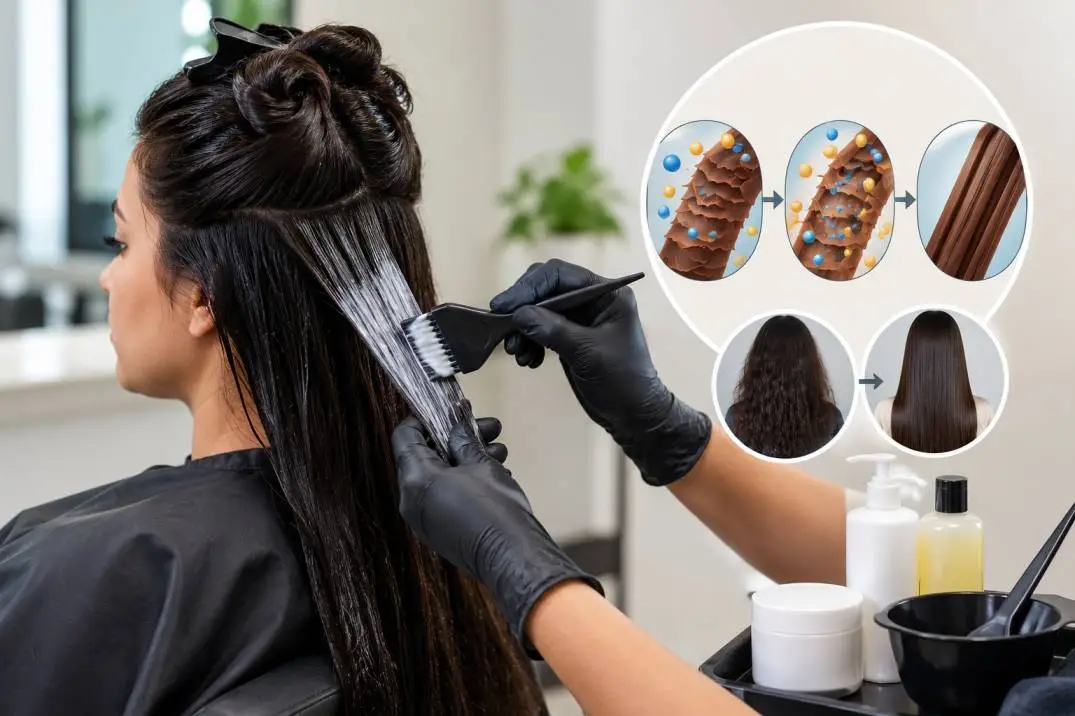
Hair straighteners, including keratin treatments, relaxers, and chemical straightening products, often use a mixture of potent chemicals to break down the bonds in curly or wavy hair, allowing it to be reshaped into a straighter form.
Common Chemicals Found in Hair Straighteners
1.Formaldehyde and Methylene Glycol
Used in many keratin treatments, formaldehyde helps lock the hair into a straightened position. Unfortunately, it is also a known carcinogen linked to various health risks.
2.Sodium Hydroxide
Often present in relaxers, this strong chemical works by altering the hair’s protein structure, making it easier to straighten. While effective, it can cause scalp irritation and even chemical burns if misused.
3.Parabens and Phthalates
These are often used as preservatives or fragrance enhancers. They belong to a group of chemicals known as endocrine disruptors, which may interfere with hormone levels.
4.Other Volatile Organic Compounds (VOCs)
These compounds are commonly released during application and contribute to respiratory irritation and other health concerns.
How Do These Chemicals Work?
Hair straightening products work by breaking down the disulfide bonds in hair strands, temporarily or permanently reshaping the hair structure. While this process delivers sleek results, it involves exposure to potentially harmful substances.
Research Findings: Is There a Link to Uterine Cancer?
Concerns about hair straighteners causing uterine cancer have gained traction following recent studies exploring the effects of chemical exposure, particularly long-term use.
Current Scientific Findings
1.Study Highlights
A study conducted by the National Institute of Environmental Health Sciences (NIEHS) found that women who frequently use chemical hair straighteners may have a slightly elevated risk of developing uterine cancer.
Specifically, women who reported using these products more than four times a year had a higher incidence of uterine cancer compared to non-users.
2.Hormonal Disruption
Many chemicals in hair products, particularly phthalates and parabens, are endocrine-disrupting chemicals (EDCs). These substances can mimic or interfere with the body’s hormones, potentially contributing to the growth of hormone-sensitive cancers such as uterine cancer.
3.Mixed Evidence
While some studies suggest a potential link, others have found no significant association. Researchers caution that additional studies are needed to establish a clear cause-and-effect relationship.
It’s important to note that uterine cancer is influenced by various factors, including genetics, age, and lifestyle.
Other Health Concerns Beyond Uterine Cancer
Even if the connection to uterine cancer remains inconclusive, hair straightening chemicals are associated with several other health risks, including:
1.Skin and Scalp Irritation
Chemicals like sodium hydroxide can cause burns and irritation to the scalp and skin.
2.Respiratory Issues
Fumes released during treatments containing formaldehyde and VOCs may cause difficulty breathing, coughing, or even long-term damage with frequent exposure.
3.Hormonal Imbalances
Endocrine disruptors in hair straighteners may contribute to various reproductive and metabolic health issues.
4.Cancer Risks from Formaldehyde Exposure
Long-term exposure to formaldehyde has been linked to other types of cancer, such as nasopharyngeal cancer and leukemia.
Minimizing Risk: Safer Alternatives and Precautions
1.Choose Safer Products
- Look for products labeled “formaldehyde-free,” “paraben-free,” or “phthalate-free.”
- Opt for treatments with plant-based or natural ingredients instead of harsh chemicals.
2.Consider Natural Hair Care Options
- Heat Styling Tools: Flat irons and blow dryers can temporarily straighten hair without the risks associated with chemicals.
- DIY Hair Masks: Ingredients like coconut oil, argan oil, and aloe vera can help smooth and condition your hair naturally.
3.Protective Measures If You Use Chemical Hair Treatments
- Reduce the frequency of chemical treatments.
- Ensure the treatment is performed in a well-ventilated space.
- Wear protective gear like gloves during application and avoid inhaling fumes.
4.Consult Professionals
If you’re concerned about potential risks, consult a dermatologist or oncologist to better understand your exposure levels and personal risks.
Should You Avoid Hair Straightening Treatments?
Whether you should stop using chemical hair straighteners depends on multiple factors, including your personal health, frequency of use, and family history of cancer.
- If you use these products occasionally and take precautions, the risk may be minimal, but you can always transition to safer alternatives for peace of mind.
- For those at higher risk due to factors like a family history of uterine cancer, it’s worth exploring non-chemical options or significantly limiting exposure.
Ultimately, balancing beauty preferences with health considerations is a personal decision, and there’s no one-size-fits-all answer.
Real-Life Examples and Expert Opinions
Stories of people making the switch to chemical-free hair care often highlight not just health benefits, but improved hair health as well. Dermatologists and oncologists frequently advise limiting exposure to endocrine-disrupting chemicals, pointing out that small daily choices can have a significant long-term impact.
Conclusion
The potential link between hair straightening chemicals and uterine cancer is an area of active research, and while some studies suggest a possible connection, more evidence is needed to draw definitive conclusions.
That said, minimizing exposure to harmful chemicals whenever possible is always a good idea—not just for cancer prevention, but for overall health.
Transitioning to safer hair care options, staying informed about the products you use, and consulting health professionals for personalized advice can empower you to prioritize both your beauty goals and well-being. Remember, your health is worth protecting.
FAQs
1. Are all hair straighteners dangerous?
Not all straighteners use harmful chemicals, but many contain substances like formaldehyde or parabens, which are associated with health risks. Choose products labeled as safer alternatives to minimize exposure.
2. Is there a definitive link between hair straighteners and uterine cancer?
While some studies suggest a potential link, the evidence is not yet conclusive. Further research is needed to establish direct cause and effect.
3. What are safe alternatives to chemical-based hair straightening?
Consider DIY natural hair masks, flat irons, or treatments using plant-based ingredients. Look for formaldehyde-free products.
4. Can I use hair straightening products if I have a family history of uterine cancer?
It’s best to consult a healthcare professional to weigh your individual risks and explore alternative options.
5. How can I minimize risks if I want to continue using hair straighteners?
Limit frequency, use safer products, and ensure proper ventilation during application.
The bottom line? Stay informed, ask questions, and take simple steps to reduce your risk while enjoying the hair care routine you love.
6. Does using hair straighteners once or twice a year increase the risk of uterine cancer?
There is not enough evidence to say that occasional use causes uterine cancer. The possible risk seen in studies was more concerning with frequent, long-term use.
7. Which hair straightening chemicals may be linked to cancer risk?
Some hair straightening products may contain or release formaldehyde and other chemicals that can affect hormones or cause other health concerns. The ingredients vary between products, so checking the label is important.
8. Does stopping hair straightening reduce the risk of uterine cancer?
It is not yet clear whether stopping these treatments completely reverses any possible cancer risk. However, reducing future exposure can help limit contact with potentially harmful chemicals.
9. Can hair straightening chemicals affect fertility?
Some chemicals used in hair products may interfere with hormones or reproductive health, but the exact effect of hair straightening treatments on fertility is still being studied.
10. Is chemical hair straightening safe during pregnancy?
Because some straightening treatments can release strong chemicals and fumes, it is sensible to avoid unnecessary chemical exposure during pregnancy and discuss specific products with your doctor.
11. Can hair straightening chemicals cause hormonal changes?
Some ingredients found in hair products may act as endocrine-disrupting chemicals, meaning they can interfere with normal hormone activity. The health effects depend on the chemical, amount, and level of exposure.
12. Does the risk of uterine cancer increase with more frequent hair straightening?
Research suggests that frequent use may be associated with a higher risk of uterine cancer than less frequent or no use. However, an association does not prove that hair straightening directly causes cancer.
13. Can hair straightening cause uterine cancer symptoms?
Hair straightening itself does not cause specific symptoms of uterine cancer. Warning signs of uterine cancer can include abnormal vaginal bleeding, bleeding after menopause, unusual vaginal discharge, or pelvic pain.
14. Should I get tested for uterine cancer if I regularly straighten my hair?
Regular hair straightening alone does not mean you need special cancer testing. However, if you have abnormal vaginal bleeding or other concerning symptoms, you should see a gynaecologist for evaluation.
15. Are keratin treatments safer than chemical hair relaxers?
Not necessarily. Different keratin treatments and relaxers contain different chemicals, and some keratin products can release formaldehyde when heated. The safety depends on the specific ingredients and level of exposure.
APPOINTMENT FORM

About Author
Dr. Praveen Kammar
Surgical Oncologist
12+
Years Of Experience
Dr. Praveen Kammar is a Best Surgical Oncologist in Mumbai. His main area of expertise aslso includes GI oncology, Gynecological cancers, minimal access surgeries, Robotics surgery, Laparoscopic Surgery, HIPEC.
Dr. Praveen has done more than 6000+ surgeries in his expertise.
Related Blogs

Stage 1 Ovarian Cancer in India: A Complete Guide for Women’s Health
Discover Stage 1 ovarian cancer in Indian women: from symptoms to treatments.

Ovarian Cancer in Young Women: Causes, Risks, and Proactive Measures
Ovarian cancer in young women, exploring its causes, risk factors, early detection strategies, and treatment options.

Early Stage Ovarian Cancer: Symptoms, Diagnosis, Treatment
Ovarian cancer is a serious condition that affects women worldwide, and early detection plays a crucial role in improving outcomes