
How to Prevent Vaginal Cancer Naturally? Expert-Backed Tips
Vaginal cancer is a rare but serious condition that can affect the vaginal tissues. While it’s not as common as other types of cancer, knowing how to minimize your risk is vital for long-term health.
Prevention isn’t just about medical procedures—it also includes making natural and lifestyle-based changes that support your overall wellness.
You can take steps today to reduce your risk in practical, evidence-based ways.
Curious to learn how? This guide will walk you through everything you need to know about vaginal cancer, its risk factors, and natural ways to lower your chances of developing it.
Understanding Vaginal Cancer and Its Causes
Before we jump into prevention, it’s important to understand what vaginal cancer is and what might put you at risk.
1.1 What Is Vaginal Cancer?
Vaginal cancer occurs when abnormal cells in the vaginal tissues grow uncontrollably. While rare, it can take different forms, such as vaginal squamous cell carcinoma (affecting the lining of the vagina) and vaginal adenocarcinoma (which develops in glandular cells). Like most cancers, it often develops over time and can initially show few or no symptoms.
1.2 What Are the Major Risk Factors?
Here are some common factors that increase your risk:
- HPV Infection: The human papillomavirus (HPV) is the leading risk factor. Certain strains of this virus are linked to vaginal, cervical, and other cancers.
- Age: Vaginal cancer is more likely to occur in women over 60, but HPV can increase risks at any age.
- Smoking: Smoking weakens your immune system and damages cells, allowing cancerous cells to grow.
- Weakened Immune System: Those with weakened immunity (due to medical conditions or medication) are at higher risk.
- Previous Cervical Cancer: A history of cervical cancer or precancerous conditions could increase the chances of vaginal cancer developing.
- Harsh Chemicals: Using chemically harsh or scented products in the vaginal area can disrupt natural tissue health and increase risks.
The Link Between Lifestyle & Vaginal Cancer Prevention
Your lifestyle choices directly impact your cancer risk. Research has shown that factors like diet, exercise, smoking, hydration, and stress can all play a role. The good news? Positive changes can dramatically improve your health and lower your risks. Maintaining a holistic approach to wellness is a great starting point.
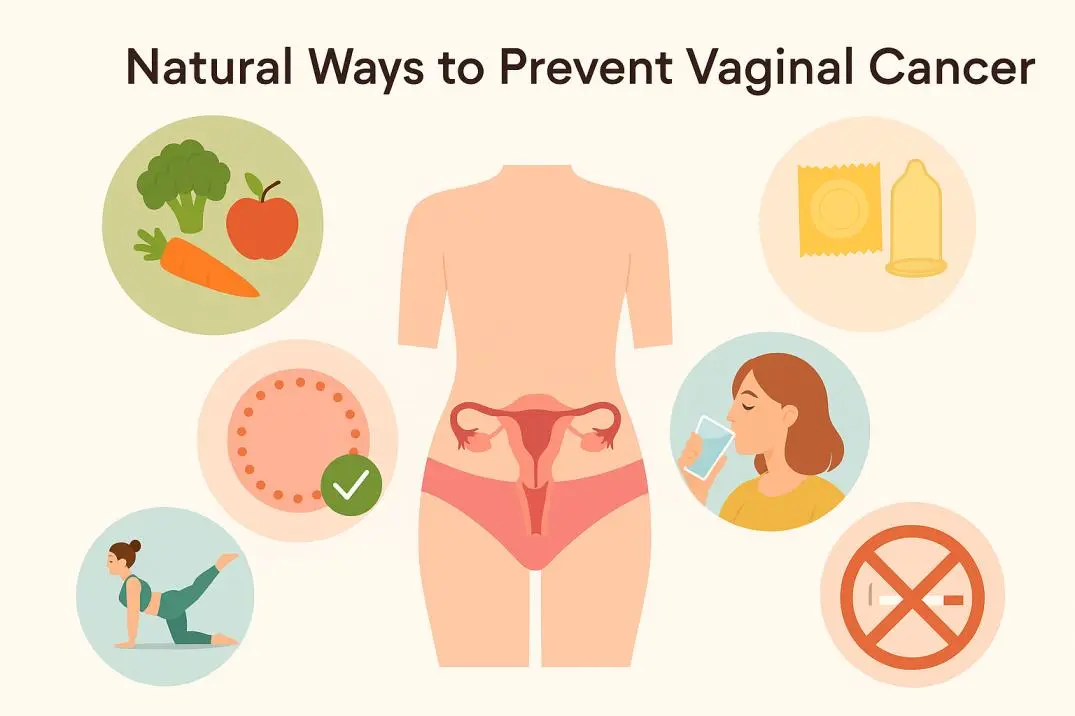
Natural Ways to Prevent Vaginal Cancer
Taking preventive measures doesn’t have to be complicated. Here’s how you can make everyday choices that protect your health.
3.1 Get the HPV Vaccine
Did you know that HPV infection causes the majority of vaginal and cervical cancer cases? That’s why vaccinating against HPV can be a game-changer.
This vaccine is widely recommended for girls and boys starting at age 9 and is effective at blocking the strains of HPV most likely to cause cancer. If you haven’t been vaccinated yet, it’s worth discussing with your healthcare provider—it’s never too late to consider it!
3.2 Follow a Cancer-Fighting Diet
What you eat can either fuel or fight cancer. Consider incorporating these nutrient-packed foods into your routine to bolster your defense against vaginal cancer:
- Antioxidant-Rich Foods: Berries, leafy greens, and nuts are packed with antioxidants that prevent cellular damage.
- Folate-Rich Foods: Foods like avocados, oranges, and lentils may protect you against HPV-related cancers.
- Cruciferous Vegetables: Broccoli, cabbage, and cauliflower contain sulforaphane, a compound known for its cancer-fighting properties.
- Healthy Fats & Omega-3s: Fatty fish, walnuts, and flaxseeds are great options to reduce inflammation.
- Limit Processed Foods & Red Meat: These can contribute to inflammation, which is linked to cancer risk.
3.3 Exercise & Maintain a Healthy Weight
Staying active isn’t just about looking and feeling great—it also helps lower cancer risk. Regular exercise boosts your immune system, reduces inflammation, and helps you maintain a healthy weight. Aim for at least 30 minutes of moderate activity five times a week. Think brisk walking, dancing, swimming, or even yoga.
3.4 Quit Smoking & Avoid Alcohol
Smoking doesn’t just harm your lungs; it damages vaginal cells and weakens natural defenses against cancer. If you’re a smoker, quitting is one of the best things you can do for your health. Similarly, cutting down or avoiding alcohol can help strengthen your immune system and improve your body’s ability to fight abnormal cells.
3.5 Practice Safe Sex & Prevent HPV
Practicing safe sex is essential for preventing HPV, a major cause of vaginal cancer. Use condoms to reduce your risk of transmission and try to limit the number of sexual partners to minimize exposure. Remember, HPV doesn’t always show symptoms, so precautions are key.
3.6 Proper Vaginal Hygiene Practices
Maintaining good hygiene goes a long way in preserving vaginal health.
- Avoid douching and scented products, as these can harm your natural balance.
- Gently clean the vulva (external area) with warm water and fragrance-free soaps.
- Wear breathable cotton underwear, and keep the area clean and dry to prevent infections.
Regular Screenings for Early Detection
Even with the best prevention practices, early detection is critical. Schedule regular Pap smears and HPV tests as recommended by your healthcare provider. These tests can help detect abnormalities before they develop into cancer.
Knowing your body and acting quickly if you notice unusual symptoms (like abnormal discharge, bleeding, or pain) can make all the difference.
Debunking Myths About Vaginal Cancer
It’s easy to come across incorrect information, so let’s bust some myths!
- “Only older women get vaginal cancer.” → False. While age increases risk, HPV can cause issues in younger women too.
- “If you have no symptoms, you don’t need screenings.” → False. Regular check-ups are essential for catching problems early.
- “Vaginal infections and cancer are the same.” → False. An infection doesn’t equal cancer, but recurring infections could signal underlying risks.
Scientific Studies and Expert Opinions
Research continues to highlight the role of prevention in reducing risk. Diets packed with antioxidants and folate, regular physical activity, and HPV vaccines are among the strategies backed by science. Gynecologists emphasize the importance of starting prevention efforts early for maximum effectiveness.
Conclusion: Take Charge of Your Vaginal Health
You have more control over your health than you might think. By focusing on prevention, you can significantly lower your risk of vaginal cancer. Stick to a cancer-fighting diet, stay active, get vaccinated against HPV, and practice safe hygiene. And remember, regular medical screenings are vital for staying ahead of potential problems.
Frequently Asked Questions (FAQs)
1.Can diet really help prevent vaginal cancer?
Yes! Eating antioxidant-rich foods, greens, and healthy fats can protect cells and lower risk.
2.Is there a natural cure for HPV?
There’s no cure for HPV, but vaccines and a strong immune system can help manage it effectively.
3.Which foods fight HPV and cancer?
Foods like berries, broccoli, avocados, and nuts boost your body’s defense against cancer.
4.How often should I get a Pap smear?
It depends on your age and health history, but most women need one every 3-5 years. Check with your gynecologist.
Taking steps toward prevention empowers you to live a healthier, more confident life. Small changes truly make a big difference!

About Author
Dr. Praveen Kammar
Surgical Oncologist
12+
Years Of Experience
Dr. Praveen Kammar is a Best Surgical Oncologist in Mumbai. His main area of expertise aslso includes GI oncology, Gynecological cancers, minimal access surgeries, Robotics surgery, Laparoscopic Surgery, HIPEC.
Dr. Praveen has done more than 6000+ surgeries in his expertise.
Related Blogs

Stage 1 Ovarian Cancer in India: A Complete Guide for Women’s Health
Discover Stage 1 ovarian cancer in Indian women: from symptoms to treatments.

Ovarian Cancer in Young Women: Causes, Risks, and Proactive Measures
Ovarian cancer in young women, exploring its causes, risk factors, early detection strategies, and treatment options.

Early Stage Ovarian Cancer: Symptoms, Diagnosis, Treatment
Ovarian cancer is a serious condition that affects women worldwide, and early detection plays a crucial role in improving outcomes